Permian Basin Pipeline Construction Things To Know Before You Buy
Table of ContentsThe Ultimate Guide To Permian Basin Pipeline ConstructionSome Known Factual Statements About Permian Basin Pipeline Construction A Biased View of Permian Basin Pipeline Construction8 Simple Techniques For Permian Basin Pipeline ConstructionHow Permian Basin Pipeline Construction can Save You Time, Stress, and Money.Permian Basin Pipeline Construction Things To Know Before You Get ThisGetting My Permian Basin Pipeline Construction To Work
Cured-in-place pipeline (CIPP) is a trenchless modern technology used to install water, drain, and various other pipes without requiring significant excavation or intrusive excavating. The procedure begins by putting a lining right into the existing pipework, which is then filled up with resin that sets to create a permanent pipeline within the existing pipeline.At MaxLiner United States, we understand the benefits of utilizing CIPP, that include its price, speed, and very little disruption during setup. This makes it a perfect option for contractors, plumbers, companies, and communities seeking to reduce downtime while setting up new pipes. Among the primary benefits of CIPP is its cost financial savings on labor and equipment, leading to an extra cost-efficient option than typical pipe replacement techniques.
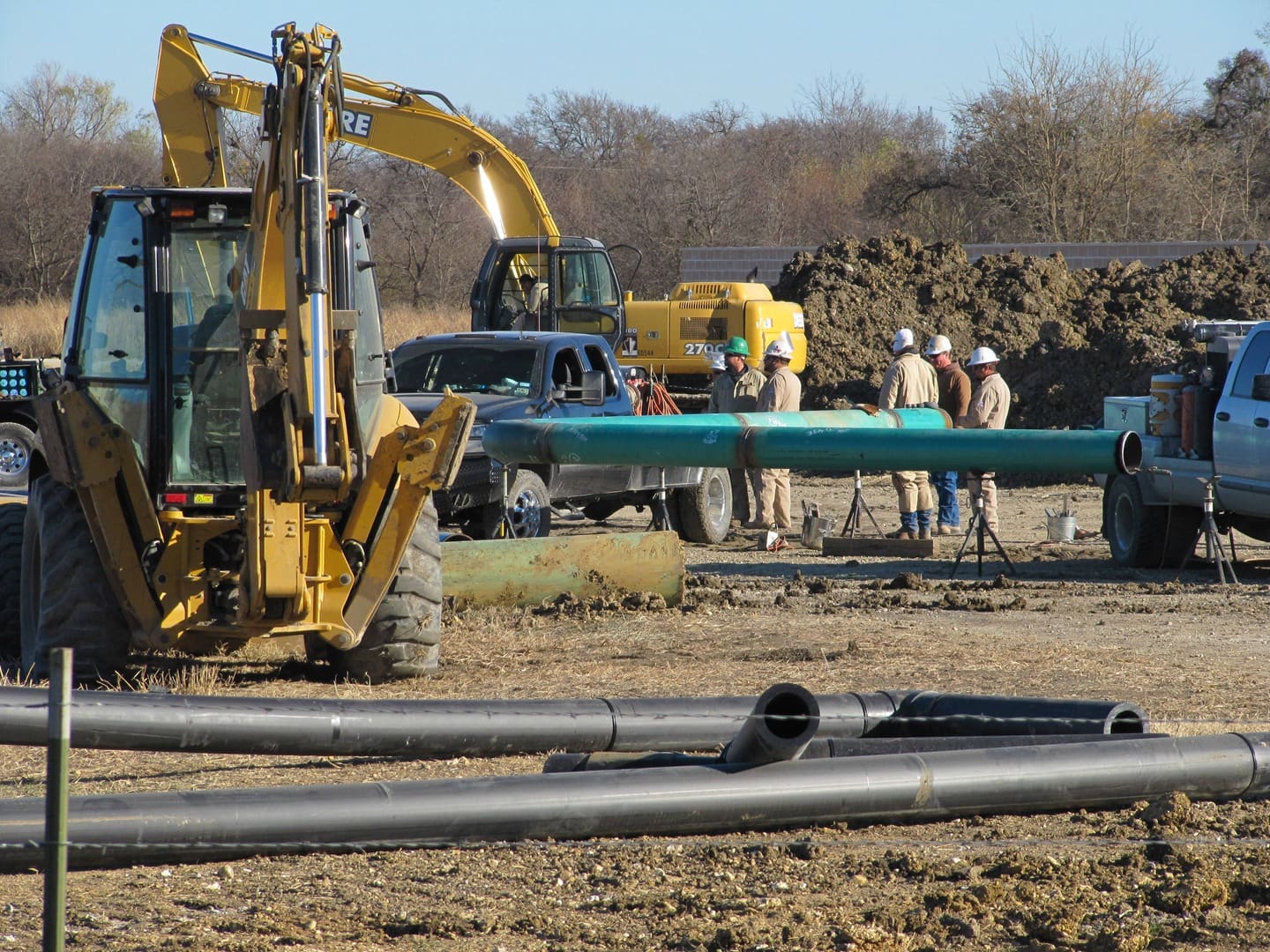
Instead, a lining is put into the busted pipe and treated in position with heat, developing a seamless repair service that gives long-lasting defense versus root seepage, deterioration, perforation damages, and various other typical concerns with existing pipes. Not only does this technique remove the requirement for comprehensive digging, but it also removes the potential risks related to harmful waste removal.
Permian Basin Pipeline Construction for Beginners
Prices have a tendency to be reduced than replacing entire lengths of piping through open-cut installments even when factoring in the cost of liner products. As a result of its reduced ecological impact and price savings potential, cured-in-place pipe installation is becoming significantly preferred as an alternative to traditional fixing work in various markets.
When it concerns cured-in-place pipe (CIPP) installation, several advantages originate from its marginal time and price. First and leading, CIPP installments can be established up in a fraction of the time it would take for conventional pipe substitute because no excavation is called for - Permian Basin Pipeline Construction. Instead of excavating right into the bordering soil and getting rid of existing pipelines, CIPP uses state-of-the-art trenchless innovation to set up material linings or polyester fiber tubes inside existing pipes
Permian Basin Pipeline Construction Things To Know Before You Buy
This helps to decrease downtime and maintain your project on the right track, leading to time financial savings that would certainly not have been feasible with conventional pipe replacement systems. Whether getting rid of smaller sized areas of piping or executing complete relining jobs, this approach has specific benefits when it involves expense. Not only is tools rental removed because no excavation is required, yet so are website repair costs considering that a very little surface area repair work may be needed after installment.
For that reason, with minimal time and expense needed for installment, cured-in-place pipe installment is a terrific option for minimizing labor prices without sacrificing quality work. As we'll review in the adhering to area, this kind of installment uses massive benefits when it comes to decreasing disturbance around homes and companies.
What Does Permian Basin Pipeline Construction Mean?
This trenchless installation is a lot less complicated to carry out than typical pipe laying. As the name suggests, the majority of excavation and related website prep work is prevented since the new pipelines are fed with existing avenues. This makes it feasible to set up below ground pipes in a fraction of the moment needed for the much more typical digging method, which can produce unnecessary disturbance to the atmosphere, regional roads, pathways, nearby residential property proprietors, and so on.
Often, it might take a little digging if these access points are not already mounted in existing maintenance openings or capture basins. The outcome should still be much less turbulent than excavating lengthy trenches, however something to think about before dedicating to this setup (Permian Basin Pipeline Construction). In general, cured-in-place pipe setup is sensible look at here when very little disturbance is wanted because the majority of the below ground infrastructure stays undamaged while offering renewed toughness and reliability to existing pipelines
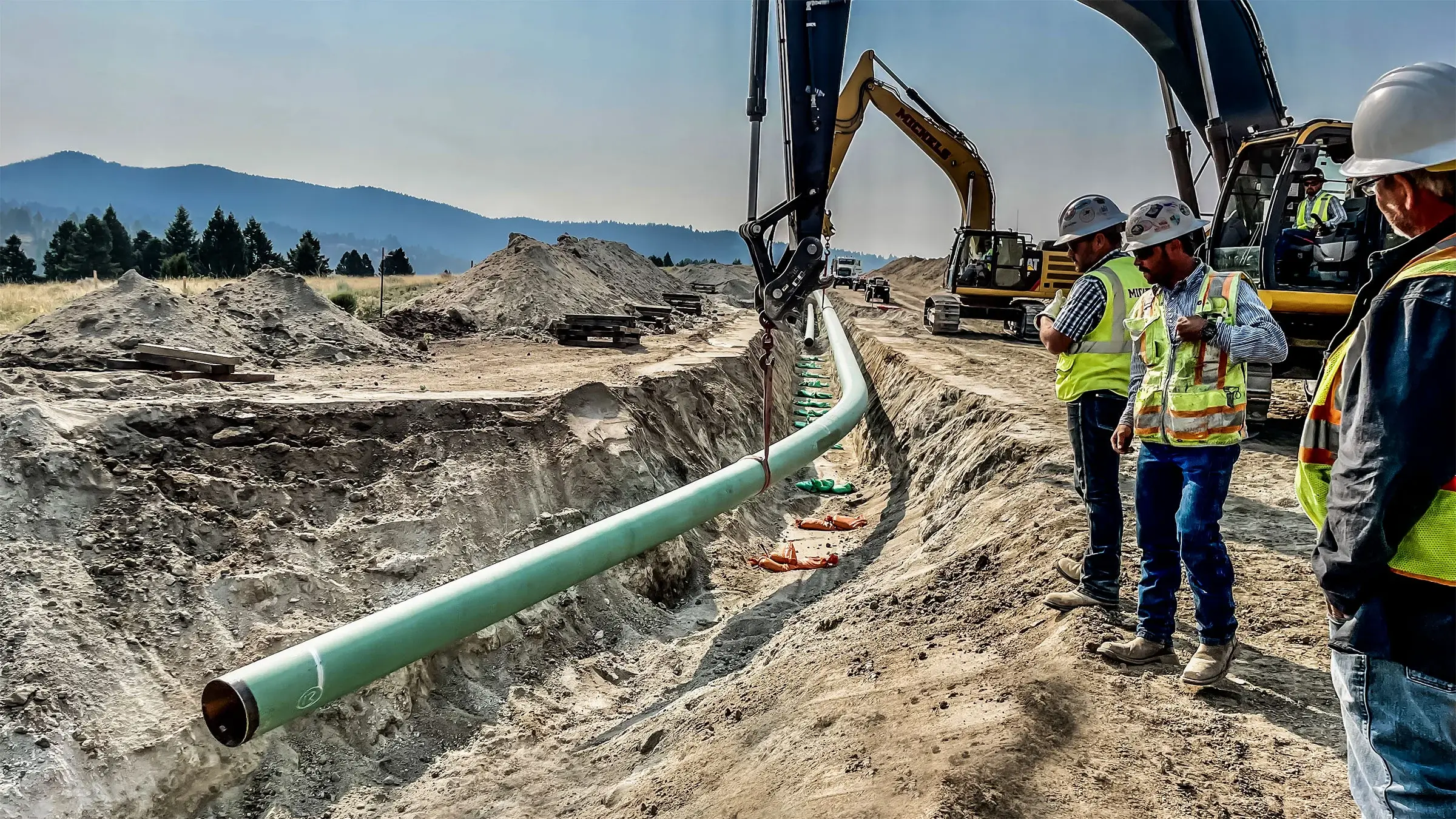

The cured-in-place installation process begins with inspecting the pipeline in inquiry to figure out whether any type of damage is present or requires substitute. Afterward, if necessary, cleaning has to occur inside the pipeline to ensure that all material buildup is gotten rid of and all surface areas are smooth and unpolluted before lining installation. When these steps are completed, a special resin-coated really felt or crossbreed really felt and fiberglass material is inserted right into the pipe and uniformly distributed along its size.
The 20-Second Trick For Permian Basin Pipeline Construction
Treating (either ambient, warmed water or air, or UV) is presented into the tube when the lining installation is total, curing and shaping the material material around the old pipe's shape. It must be kept in mind that extreme stress ought to be prevented at all costs because it can cause further damage to the system.
This comprehensive area concerning the 'Cured-In-Place Installation Process' has described its detailed procedure. By understanding what enters into this process and its problems, we can value exactly how beneficial it can be for many piping fixings - Permian Basin Pipeline Construction. Now let us proceed to discover what kinds of products are utilized in this procedure in our following area
The Best Guide To Permian Basin Pipeline Construction
The suitable material can considerably influence the job, including cost-effectiveness, sturdiness, performance, and efficiency. Polymer linings are frequently favored for CIPP because they are highly long lasting and immune to corrosion and wear and tear. They can also last anywhere from 10 to 30 years, depending on the quality of the materials utilized.
It is typically easier, much less disruptive, and more affordable than traditional fixings. Among the main advantages of CIPP pipe setup compared to the conventional strategy of eliminating and replacing any type of broken pipe sections with new product is that CIPP pipe does not call for excavating or digging deep into the surrounding areas.
This decreases the moment and labor needed for complex restoration tasks. Lastly, CIPP products next are thinner than sections of the new pipeline, so they require very little space while offering premium long life and durability compared to other approaches of repairing broken pipelines. While CIPP setup supplies some distinct benefits over conventional techniques of repairing pipes, it can have particular restrictions depending upon which type of certain situation needs it.
The Best Strategy To Use For Permian Basin Pipeline Construction
Generally, CIPP pipeline installation offers numerous advantages when it concerns conserving time, money, and initiative throughout pipe repair service jobs. These advantages make it an attractive option for those seeking fast yet reliable methods to deal with damaged pipelines at home or in company settings. In the complying with area, we will certainly talk about an overview of cured-in-place pipe setup in better detail to provide you an also better understanding of its lots of benefits.
Comments on “Not known Details About Permian Basin Pipeline Construction”